
Carpet Advice and Information

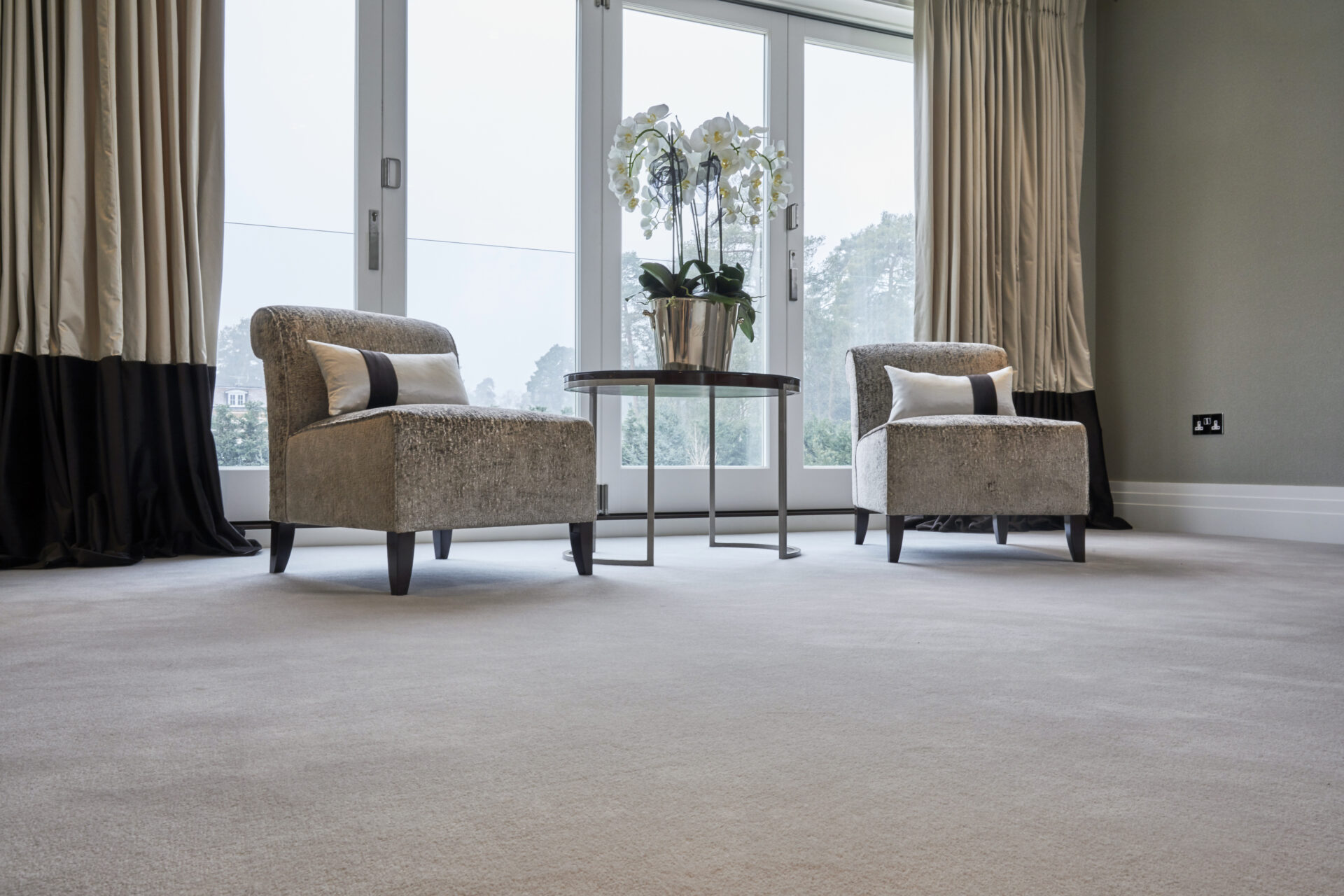
The majority of Westex products are made using wool and when this is subject to ultraviolet light, found in sunlight and artificial light, bleaching of the wool occurs, just as it would human hair.
Protected areas of carpet, such as under rugs or furniture for example, may appear darker in comparison with the exposed area. This can occur within hours of exposure to sunlight depending on the strength of the light. However, after this first fade, the colour will remain virtually unchanged. We do recommend trying to reduce the exposure of your wool carpets to the sun with the use of blinds or curtains and possibly moving furniture around where possible.
Shedding
Newly laid carpets will shed the excess fibre which is created during the cropping process. This is completely normal. How long this continues will depend on how often the carpet is vacuumed and the type of appliance used. Shedding is not a manufacturing defect and has no detriment on the appearance or longevity of your carpet as the excess fibres are only a tiny fraction of the total wool used in manufacture. The excess fibre will gradually lessen with continued regular maintenance using a vacuum which has a driven brush head fitted.
Pilling
This occurs when the loose fibres which are a characteristic of a newly laid carpet aren’t removed effectively. When the carpets are walked upon, the abrasion causes the fibres to ball up and create a “bobbling” effect on the surface. Regular maintenance will remove the loose fibres and prevent pilling from occurring.
Flattening
All carpets will flatten somewhat over time. This is especially common in areas that receive a lot of foot traffic such as doorways, stairs and in front of furniture. It can give the appearance of lighter or darker patches, this is just the light being reflected differently off the pile. It is not a carpet fault and has no detriment to the performance of the carpet. Regular cleaning and maintenance will reduce the effect of pile flattening.
Tracking and Shading
Over time, regular foot traffic will cause the pile to compress in main walkways, particularly on plain cut pile carpets causing areas of differential wear. These areas will appear lighter or darker in comparison to the less frequently used parts. It is not a defect or fault with the carpet, it is simply the pile laying in a different direction and reflecting the light differently. It will not affect the durability or longevity of the carpet.
Pile Reversal
Pile reversal is a natural phenomenon which causes the pile of the carpet to change direction, altering the pattern of light reflection, thus creating a light and dark effect. It is an unpredictable, localised change which can be permanent. It can occur in any type of cut pile carpet. Pile reversal is not a manufacturing defect and has no detrimental impact on the longevity of the carpet. However, where pile reversal (not due to footfall) is confirmed, Westex will provide one-off, free of charge replacement/s of the affected carpet/s within 2 years of installation. After the first 2 years, there will be 20% depreciation per year applied to any replacement up to a maximum of 6 years from the date of installation. Westex do not reimburse refitting or associated costs in relation to pile reversal.
Indentations
When items of furniture are placed on a carpet, the carpet will show an indentation which is to be expected. To reduce the impact on the carpet over time, we suggest slightly moving the furniture regularly which will avoid prolonged crushing of the pile. If you have moved furniture and there is an indentation, gentle brushing of the pile and regular maintenance will help lift the pile back up again. If there are heavy items of furniture, it may be worth considering using furniture glides or cups, which help spread the weight of the item.
Cockled Yarn
Cockled yarn (or J tufts) can give the effect of missing tufts or small holes. This is as a result of the high-grade wool used in our products and the tight twist which is used to maintain stability of the pile. On initial manufacture and delivery, there will be some tufts which temporarily bend and do not lie parallel to each other. Over time and with regular general maintenance the tufts will relax and restore. There is no specific or guaranteed timeframe for this as it depends on the maintenance routine as well as the amount of use the carpet receives.
Pole Marks
Our carpets are rolled around a cardboard tube for transportation. When rolled around the tube, the cut edge presses into the pile and causes a compressed line of carpet approximately 12″- 15” from the end (which is the approximate circumference of the tube). This is not permanent and will usually lift once the carpet has settled and acclimatised, along with 6-8 weeks of regular maintenance.
Pressure Bands
When a piece of carpet is transported and then stored awaiting fitting, all the weight is sitting on the bottom of the roll. This causes the pile to compress slightly. When the carpet is then unrolled, light and dark bands can sometimes be seen. These are pressure bands and are not permanent. Once the carpet has been fitted and acclimatised, the pile will recover but this may take a few weeks.
Carpet Moths
Our wool carpets are treated with a moth guard treatment during the manufacturing process which makes the keratin in the wool indigestible to the larvae. In order for the treatment to work effectively, the larvae do need to ingest a small amount of fibre.
Regular vacuuming in areas that are often neglected is important to prevent moths as they thrive in dark, undiscovered places such as in corners, under furniture and rugs. It is vitally important to break the breeding cycle and prevent the adult moths from reproducing. Immediate action must be taken if adult moths are found or seen anywhere on a carpet. Moth traps or powders/spray treatments can be used to eradicate them. Whilst the treatment is permanent, we will inspect cases within a 6-year period from date of installation.
Should genuine moth damage be found within the first 2 years of delivery, we will replace the affected carpet/s free of charge. After the first 2 years, there will be 20% depreciation per year applied to any replacement up to a maximum of 6 years from the date of installation.
Underfloor Heating
All Westex carpets are suitable for use with underfloor heating however we do advise that the combined tog rating of the carpet and underlay does not exceed a maximum of 2.8 tog as this will reduce the benefit of having underfloor heating. Please refer to your underfloor heating supplier for further advice.
Underlay
Underlay should always be replaced at the same time as a carpet. Using existing underlay can cause the carpet to wear prematurely. The type of underlay you select will depend on several factors as well as personal choice. It will depend on what key features you require from your underlay, for example, sound insulation, comfort, heat insulation etc. We do suggest a rubber-based underlay as this will provide more support for the carpet backing. A fitter or estimator will be best placed to advise on underlay as much will depend on the subfloor and furniture weight load points.
Samples
The postal samples provided by Westex and those seen in retail stores are a representation of the selected colour. The carpet ordered will be from a different dye batch to the one the sample will have been taken from. There is a commercial tolerance, and our carpets are thoroughly tested to ensure they are within this tolerance. There are also several factors that can have an impact on the colour of a carpet once installed. These include décor, lighting, natural light, and shadow.